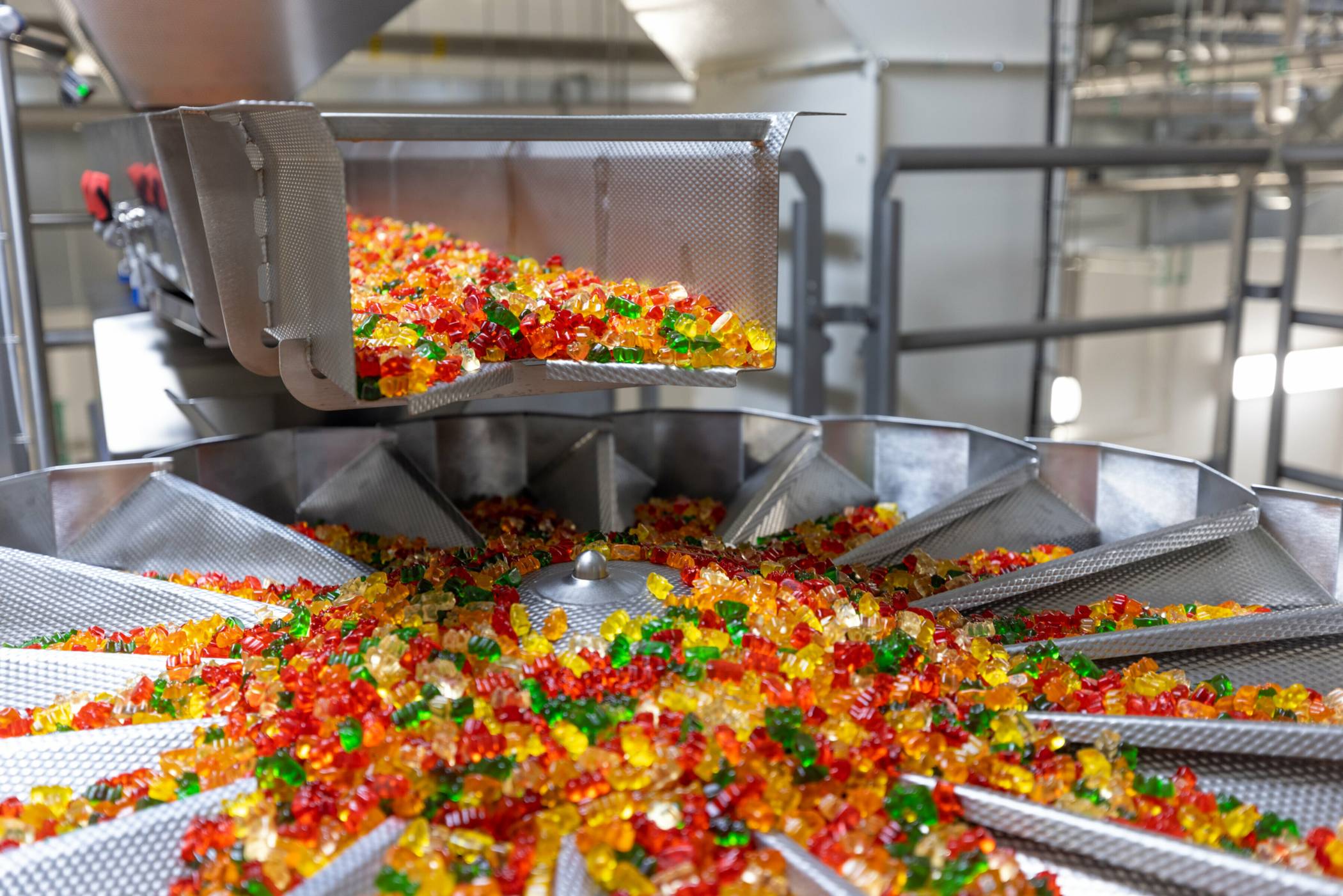
Operating a Jelly Candy Making Machine involves handling high temperatures, moving mechanical parts, and electrical components, making adherence to safety standards essential. Ensuring workplace safety protects operators from injury, prevents equipment damage, and maintains compliance with local and international regulations. Manufacturers and factory managers must implement comprehensive safety protocols that cover machine installation, operation, maintenance, and emergency response procedures.
Safety standards in jelly candy production are designed to minimize the risk of accidents, burns, electrical shocks, and contamination. Machines operate under conditions that involve boiling sugar solutions, gelatin or pectin mixtures, and automated depositing systems. Without proper safety measures, operators can be exposed to scalding liquids, sharp components, and moving conveyors. Investing in safety not only safeguards employees but also improves production efficiency by reducing downtime caused by accidents or regulatory violations.
Proper Installation and Workplace Setup
The foundation of safety starts with proper installation of the jelly candy making machine:
- Stable Placement: Ensure the machine is installed on a flat, vibration-free surface to prevent tipping or mechanical strain.
- Adequate Ventilation: Proper airflow around heating components reduces the risk of overheating and accumulation of steam or fumes.
- Sufficient Space: Leave enough room around the machine for operators to move safely and perform maintenance without obstruction.
- Electrical Safety: Use certified power connections and grounding to prevent electrical hazards.
A well-planned setup reduces the likelihood of accidents and ensures that operators can work efficiently without physical constraints.
Operator Training and Personal Protective Equipment (PPE)
Training operators is a critical aspect of maintaining safety standards. Workers must be familiar with machine functions, emergency procedures, and maintenance requirements. Key training areas include:
- Understanding machine controls, sensors, and alarms.
- Recognizing signs of mechanical or thermal malfunction.
- Safe handling of ingredients and molds.
- Emergency shutdown procedures.
In addition to training, personal protective equipment (PPE) is essential. Operators should wear:
- Heat-resistant gloves to prevent burns from hot sugar or gelatin mixtures.
- Safety goggles to protect eyes from splashes.
- Protective clothing to minimize skin exposure.
- Non-slip footwear to prevent accidents on wet or sticky floors.
Proper training and PPE significantly reduce the risk of injury during machine operation.
Machine Guards and Safety Features
Modern jelly candy making machines come equipped with built-in safety features that operators must utilize correctly.
- Safety Guards: Cover moving parts such as conveyors, mixers, and depositors to prevent accidental contact.
- Emergency Stop Buttons: Strategically placed buttons allow operators to quickly halt operations in case of an emergency.
- Sensors and Alarms: Temperature sensors, overload protection, and fault alarms alert operators to abnormal conditions.
Routine inspection of these safety features ensures they function correctly and continue to protect staff.
Maintenance and Cleaning Safety
Maintenance and cleaning are necessary for both operational efficiency and safety. However, improper procedures can pose serious hazards:
- Always switch off and unplug the machine before performing maintenance.
- Use lockout/tagout procedures to prevent accidental start-up during cleaning.
- Allow hot components to cool before handling to avoid burns.
- Regularly inspect electrical connections, belts, and moving parts to prevent mechanical failure.
Following a structured maintenance schedule reduces the risk of injury while prolonging machine life.
Compliance with Regulations
Operators and manufacturers must adhere to local workplace safety regulations as well as food safety standards. This includes:
- Compliance with OSHA or equivalent labor safety regulations.
- Following food-grade material guidelines to prevent contamination.
- Keeping proper documentation of maintenance and operator training.
Regular audits and adherence to industry standards ensure both employee safety and legal compliance.
Emergency Preparedness
Even with proper training and safety features, emergencies can occur. Preparing for these situations is essential:
- Maintain fire extinguishers and first aid kits near the production area.
- Train operators in emergency response procedures such as treating burns or chemical exposure.
- Establish evacuation routes and safety protocols in case of machine malfunction or fire.
Preparedness minimizes injury severity and ensures that production disruptions are handled efficiently.
Conclusion
Maintaining safety standards while operating a Jelly Candy Making Machine is crucial for protecting operators, ensuring consistent production, and complying with legal requirements. Proper machine installation, comprehensive operator training, use of PPE, functional safety features, and strict maintenance protocols are key components of an effective safety program.
By prioritizing workplace safety and regulatory compliance, candy manufacturers can minimize accidents, reduce downtime, and foster a productive and secure environment. Investing in safety not only protects employees but also contributes to long-term operational efficiency and consistent product quality in jelly candy production.
About the Author