
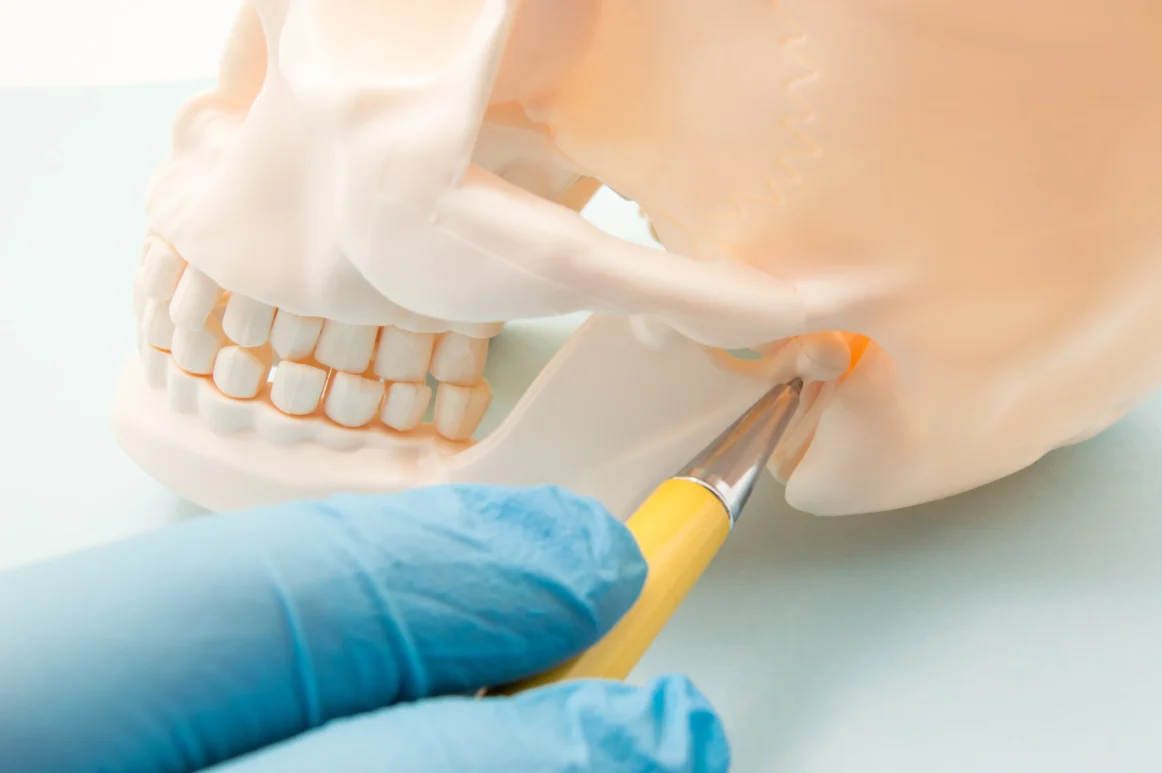
Temporomandibular joint (TMJ) disorders can cause discomfort, pain, and limited mobility in the jaw, impacting daily activities such as eating, speaking, and even sleeping. The temporomandibular joint connects the jawbone to the skull, and any dysfunction in this joint or surrounding muscles can lead to a range of symptoms. Understanding available treatment options—from simple lifestyle adjustments to advanced therapies—can help individuals manage TMJ disorders effectively.
Common Symptoms and Causes of TMJ Disorders
TMJ disorders may manifest in various ways, and identifying the root cause is essential for effective management. Common symptoms include:
- Jaw pain or tenderness
- Clicking, popping, or grating sounds when opening or closing the mouth
- Difficulty chewing or biting
- Headaches, earaches, or neck pain
- Swelling or stiffness around the jaw
Several factors can contribute to TMJ disorders, such as teeth grinding (bruxism), jaw injuries, arthritis, poor posture, or stress-related muscle tension. Because the causes can vary, a comprehensive assessment by a qualified dentist is recommended to determine the most appropriate TMJ Treatment for each individual.
Lifestyle Modifications and Home Remedies
For mild TMJ discomfort, simple lifestyle changes and self-care practices can provide significant relief:
- Jaw Rest: Avoid chewing gum, biting nails, or eating hard foods that strain the jaw muscles.
- Heat or Cold Therapy: Applying a warm compress can relax tense muscles, while cold packs can reduce inflammation.
- Stress Management: Techniques such as meditation, deep breathing, or yoga can decrease jaw clenching caused by tension.
- Proper Posture: Maintaining correct posture, especially while working at a desk or using electronic devices, can prevent additional strain on the jaw.
- Gentle Exercises: Controlled jaw stretches and movements, as recommended by a professional, can improve mobility and reduce stiffness.
While these measures may not cure TMJ disorders, they often alleviate symptoms and complement professional treatments.
Dental Interventions for TMJ
Dentists play a key role in treating TMJ disorders. Common dental approaches include:
- Occlusal Splints or Mouthguards: These devices help prevent teeth grinding, redistribute bite forces, and reduce jaw strain.
- Bite Adjustments: Correcting bite alignment can alleviate pressure on the temporomandibular joint and surrounding muscles.
- Orthodontic Treatments: In some cases, braces or other orthodontic interventions may help align the teeth and jaw for long-term relief.
Dental interventions are often tailored to the patient’s specific condition, ensuring that treatment addresses the underlying cause of discomfort rather than just masking symptoms.
Advanced Therapies for TMJ Disorders
For more severe or persistent TMJ problems, advanced therapies may be necessary. These include:
- Physical Therapy: Targeted exercises and manual therapy can strengthen jaw muscles, improve range of motion, and reduce pain.
- Medications: Anti-inflammatory drugs, muscle relaxants, or pain relievers may be prescribed to manage symptoms.
- Injections: Corticosteroid injections into the joint can reduce inflammation and provide temporary pain relief.
- Surgical Options: Surgery is generally considered a last resort and may involve joint repair or replacement for patients with structural damage.
Advanced therapies are typically recommended when conservative treatments fail to provide sufficient relief or when the disorder significantly affects quality of life.
Preventive Strategies for TMJ Disorders
Preventing TMJ disorders or reducing the risk of flare-ups is possible through consistent habits and mindful practices:
- Avoid habits that overwork the jaw, such as excessive chewing or teeth clenching.
- Maintain good posture, especially during prolonged activities like computer work or reading.
- Manage stress effectively using relaxation techniques.
- Schedule regular dental check-ups to identify early signs of TMJ dysfunction.
- Use protective devices, such as nightguards, if you grind your teeth during sleep.
By combining preventive strategies with professional care, individuals can achieve better long-term outcomes and maintain optimal jaw health.
Conclusion
TMJ disorders can range from mild discomfort to significant pain and functional limitations. Understanding the full spectrum of TMJ Treatment options—from lifestyle modifications and dental interventions to advanced therapies—empowers patients to take control of their condition. Early assessment, personalized care, and consistent preventive measures are essential for managing symptoms, improving jaw function, and enhancing overall quality of life. Consulting a qualified dentist ensures that treatment is both safe and effective, offering lasting relief for those affected by TMJ disorders.
About the Author