In modern logistics, warehousing, and distribution operations, efficiency and speed are essential. Companies are constantly seeking ways to streamline material handling, reduce labor costs, and improve overall productivity. Telescopic conveyor systems have emerged as a versatile solution for loading and unloading goods quickly and safely. Their ability to extend directly into transport vehicles and retract when not in use makes them ideal for high-volume facilities that require flexibility and reliability.
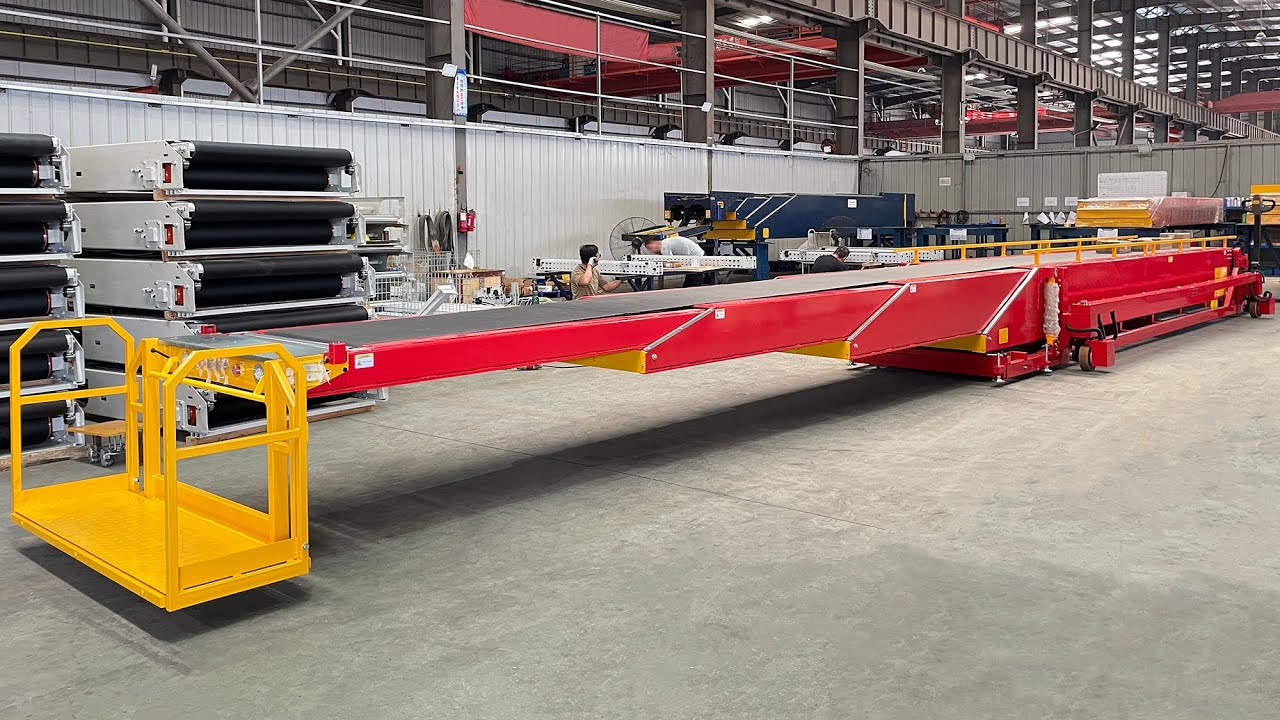
A telescopic conveyor is designed to move goods efficiently between a warehouse or sorting area and a truck, trailer, or container. Unlike fixed conveyors, telescopic systems consist of multiple nested sections that slide within each other, allowing the conveyor to extend to different lengths based on operational needs. This feature reduces manual handling, minimizes the risk of injury, and increases throughput, making telescopic conveyors an essential component of modern material-handling infrastructure.
Components of a Telescopic Conveyor System
Understanding the components of a telescopic conveyor system helps explain its functionality and operational advantages. These systems are composed of several key elements that work together to ensure smooth, safe, and efficient material handling.
Conveyor Belt: The belt is the moving surface that transports goods. Typically made of durable rubber or PVC, the belt must support a range of item sizes and weights. High-quality belts ensure consistent movement, prevent slippage, and reduce wear and tear over time.
Telescopic Sections: These nested, extendable sections are the defining feature of the system. They slide in and out smoothly to adjust the conveyor’s length, allowing operators to reach deep into trucks or containers without moving the vehicle itself. Precision-engineered rollers and tracks provide stability during extension and retraction.
Drive and Motor System: The motor powers both the belt movement and the telescopic extension mechanism. Modern systems often include variable-speed motors that can adjust belt speed to match the type of goods being transported. This ensures safe and controlled operation.
Control Panel: Operators manage the system through a control unit, which may be a wired or remote control. Advanced models incorporate programmable logic controllers (PLCs) and sensors to automate belt movement and extension, increasing efficiency while reducing the need for constant operator supervision.
Support Structure: The support frame provides stability and houses the mechanisms that allow extension and retraction. Some systems include adjustable height features to align with different truck or container floor levels, ensuring seamless loading and unloading operations.
How Telescopic Conveyor Systems Work
The operation of a telescopic conveyor system is straightforward but highly effective. When a transport vehicle arrives at the loading area, the conveyor is extended into the truck or container. Operators place goods onto the belt at the warehouse or dock end, and the belt carries the items directly into the vehicle. For unloading operations, the process is reversed, with goods being transported from the truck back into the facility.
The telescopic extension is powered by motors and guided by rollers and tracks to ensure smooth movement. Sensors and limit switches are often included to prevent overextension and ensure safety. Once the loading or unloading task is complete, the conveyor retracts to its compact position, clearing the dock area for other operations.
Benefits of Telescopic Conveyor Systems
Telescopic conveyor systems offer numerous advantages for modern logistics operations:
Increased Efficiency: By reducing manual handling and the distance workers need to carry goods, these conveyors speed up loading and unloading processes. This translates to faster turnaround times for trucks and higher throughput for warehouses.
Improved Worker Safety: With less lifting and carrying, the risk of musculoskeletal injuries is significantly reduced. The conveyor allows goods to move smoothly and safely, minimizing accidents.
Flexibility: Telescopic conveyors can adjust their length to accommodate trucks and containers of varying sizes. Some systems also offer height adjustment, allowing them to align with different vehicle floors.
Reduced Product Damage: Goods are transported gently on the belt rather than being manually handled. This decreases the likelihood of dropping or damaging products during transit.
Scalability: These systems can be integrated with existing material-handling infrastructure, including fixed conveyors, sorting lines, and automated warehouse solutions. This makes them a scalable option for growing operations.
Applications Across Industries
Telescopic conveyor systems are used in a wide range of industries where fast, efficient, and safe material handling is essential. Logistics and e-commerce fulfillment centers rely on them to process large volumes of packages daily. Courier and postal facilities use telescopic conveyors to load and unload delivery vehicles quickly. Manufacturing plants benefit from the seamless transfer of finished goods to shipping areas, while airport cargo terminals use them to handle time-sensitive shipments. Any facility that requires efficient loading and unloading can benefit from telescopic conveyor technology.
Maintenance and Safety Considerations
Regular maintenance is crucial for ensuring the longevity and safe operation of telescopic conveyors. Inspections should include checking belt tension, roller alignment, and motor function. Lubrication of moving parts prevents wear and reduces the risk of mechanical failure. Operators should also be trained on proper usage, including safe extension, retraction, and emergency stop procedures.
Safety features such as side guards, limit switches, and emergency stops are essential to protect both workers and products. A well-maintained conveyor system ensures reliable performance while minimizing downtime and operational risks.
Conclusion
Telescopic conveyor systems provide an efficient, flexible, and safe solution for modern material-handling operations. Their extendable design, powered belt system, and control features make them ideal for streamlining loading and unloading processes in logistics, warehousing, manufacturing, and airport cargo handling. By reducing manual labor, improving worker safety, and enhancing operational efficiency, telescopic conveyors have become a vital tool for businesses aiming to optimize their material-handling workflow.
About the Author