
Water soluble films have become essential in industries such as detergents, pharmaceuticals, agriculture, and industrial packaging. Their ability to dissolve completely in water while maintaining mechanical strength makes them both versatile and environmentally friendly. For these films to perform reliably, consistency across production batches is critical. Variations in film thickness, solubility, or strength can impact performance, safety, and customer satisfaction. Water soluble film manufacturers employ advanced processes, rigorous testing, and quality control measures to ensure that every product meets precise standards.
Maintaining consistency begins with careful control of raw materials and manufacturing processes. Leading water soluble film manufacturers focus on standardizing inputs, monitoring production parameters, and implementing robust testing procedures to ensure uniformity across batches. By combining advanced technology with strict quality protocols, manufacturers can deliver films that perform predictably, meeting both industrial requirements and consumer expectations.
Selection and Control of Raw Materials
The consistency of water soluble films starts with raw materials. Polyvinyl alcohol (PVA) is the primary polymer used, and its purity, molecular weight, and degree of hydrolysis significantly affect film properties such as solubility and strength. Manufacturers carefully select suppliers and perform quality checks on every batch of PVA to maintain uniformity.
Plasticizers, stabilizers, and additives are also standardized to ensure predictable flexibility, durability, and dissolution behavior. Any variation in these ingredients can affect the final product, so strict raw material control is fundamental to producing consistent water soluble films.
Precision in Manufacturing Processes
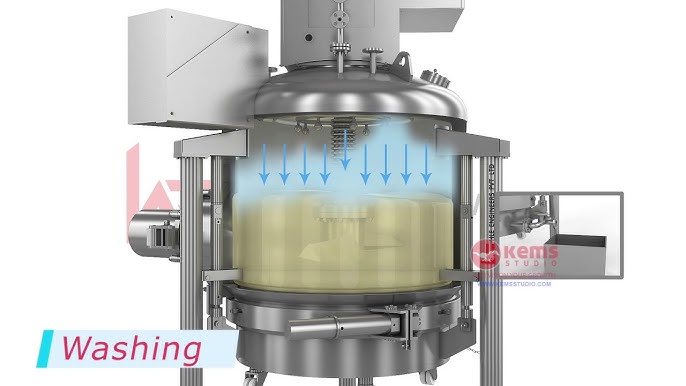
The production of water soluble films involves multiple stages, including polymer dissolution, mixing, casting or extrusion, drying, and curing. Consistency is achieved by maintaining precise control over each of these steps.
Temperature, mixing speed, and solution viscosity are carefully monitored during polymer dissolution to prevent inconsistencies in film formation. Advanced machinery ensures that casting or extrusion produces uniform thickness and smooth surfaces. Drying and curing processes are controlled to avoid over- or under-drying, which can affect mechanical properties and solubility. By standardizing every step, manufacturers minimize variations and maintain consistent film quality.
In-Line Monitoring and Automation
Modern water soluble film manufacturing often relies on automation and in-line monitoring systems. Sensors measure film thickness, surface smoothness, and other critical parameters in real time. Deviations from set standards can trigger automatic adjustments, preventing defects before they occur.
Automation reduces human error and ensures that each batch meets target specifications. Continuous monitoring also allows manufacturers to identify trends and optimize processes over time, further enhancing consistency and efficiency in production.
Quality Control Testing
Quality control is a central component of maintaining product consistency. Manufacturers conduct extensive testing to evaluate mechanical properties, solubility, thickness uniformity, and chemical stability.
Tensile strength, elongation, and tear resistance tests confirm that films can withstand handling and packaging processes. Solubility testing ensures that the film dissolves predictably under various water temperatures and conditions. Thickness and dimensional measurements verify uniformity across rolls and batches. These tests are conducted systematically to identify any deviations and maintain strict quality standards.
Batch Documentation and Traceability
Traceability is essential in ensuring consistency and addressing any issues that may arise. Each production batch is documented with details such as raw material sources, production parameters, test results, and processing times.
This comprehensive record-keeping allows manufacturers to track and reproduce successful batches, identify sources of variation, and provide transparency to clients. It also supports compliance with regulatory requirements and industry certifications, which is particularly important in pharmaceutical and food-related applications.
Employee Training and Standard Operating Procedures
Consistent production also depends on well-trained personnel. Employees are trained in standardized operating procedures (SOPs), handling techniques, and quality control protocols.
Regular training ensures that staff understand the critical parameters affecting film quality and follow best practices in every stage of manufacturing. By combining skilled personnel with automated systems, manufacturers reduce variability and maintain high levels of consistency.
Continuous Improvement and Feedback Loops
Water soluble film manufacturers adopt continuous improvement practices to refine processes and maintain consistency. Feedback from quality control, customer input, and production data is analyzed to identify opportunities for enhancement.
Adjustments may involve optimizing polymer formulations, refining drying times, or upgrading machinery. By constantly monitoring performance and implementing improvements, manufacturers ensure that films remain consistent, reliable, and suited to evolving market demands.
Conclusion
Ensuring product consistency in water soluble film manufacturing requires a comprehensive approach that includes raw material control, precise production processes, in-line monitoring, rigorous quality testing, documentation, and trained personnel. By combining these strategies with continuous improvement initiatives, water soluble film manufacturers can deliver reliable, high-quality films across diverse applications. Consistency not only enhances customer satisfaction and regulatory compliance but also strengthens the credibility and competitiveness of manufacturers in a growing global market.
About the Author