
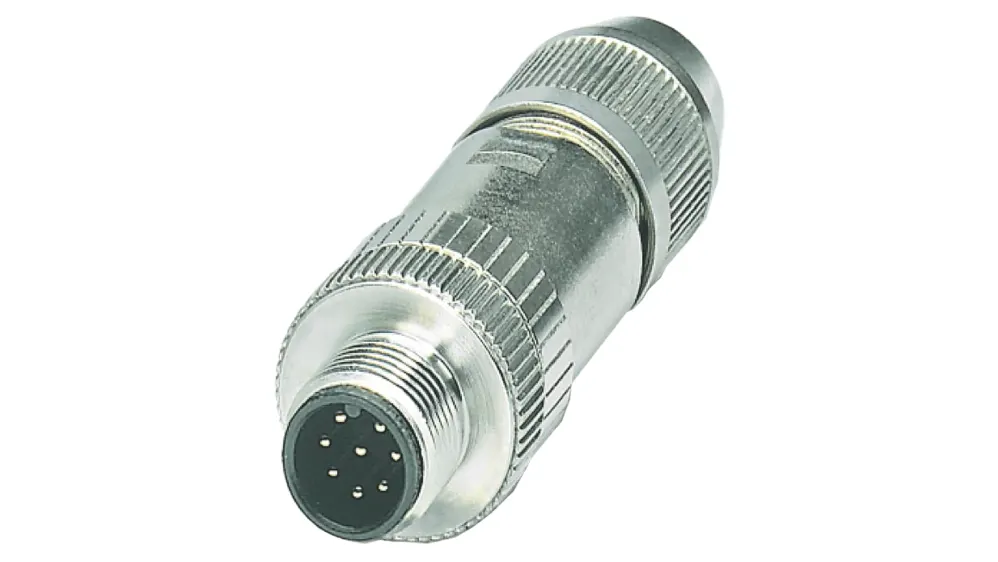
M12 connectors are a widely adopted solution in industrial automation, robotics, and factory control systems. They provide reliable connectivity for sensors, actuators, and communication devices. One of the key factors that make M12 connectors highly suitable for industrial applications is their consistent and robust electrical performance. Understanding the electrical characteristics of M12 connectors, including current-carrying capacity, voltage ratings, contact resistance, and signal integrity, is essential for designing efficient and safe industrial systems.
The M12 Connector is designed to transmit power, signals, and high-speed data reliably in harsh industrial environments. Its electrical performance is influenced by several factors, including pin count, contact material, coding type, and connector design. By analyzing these factors, engineers can ensure that M12 connectors meet the specific requirements of their applications, maintaining system reliability and safety.
Current and Voltage Ratings
One of the primary considerations for the electrical performance of M12 connectors is their current and voltage ratings. These ratings define the maximum electrical load that a connector can safely handle without overheating, degradation, or failure.
- Current Rating: M12 connectors typically handle currents ranging from 2 A to 4 A per contact, depending on the pin size, material, and configuration. For power-intensive applications, such as actuators or DC motors, selecting connectors with higher current ratings is essential.
- Voltage Rating: M12 connectors generally support voltages from 60 V to 250 V AC/DC, with variations depending on coding and manufacturer specifications. Voltage ratings ensure that the connector can operate safely under the applied electrical load without causing insulation breakdown or short circuits.
Proper adherence to these ratings is critical to prevent excessive heating, reduced contact reliability, or potential hazards in industrial installations.
Contact Resistance and Conductivity
Contact resistance is another key factor affecting the electrical performance of M12 connectors. Lower contact resistance ensures efficient current flow, reduced power loss, and minimized heat generation. M12 connectors are designed with high-quality copper alloy contacts, often plated with nickel or gold to enhance conductivity and resist corrosion.
- Gold-Plated Contacts: Gold plating is commonly used in connectors designed for signal or high-speed data transmission. It ensures low contact resistance and stable performance, even in low-current applications.
- Nickel-Plated Contacts: Nickel plating provides mechanical durability and corrosion resistance, making it suitable for power transmission and environments with moderate exposure to moisture or chemicals.
Maintaining proper contact alignment and secure threaded coupling ensures consistent contact pressure, which is essential for minimizing resistance and achieving reliable electrical performance.
Signal Integrity and Data Transmission
M12 connectors are widely used in industrial Ethernet and fieldbus networks, making signal integrity a critical aspect of their electrical performance. The connector’s design, shielding, and coding type affect its ability to transmit high-speed data without interference or signal loss.
- D-Coded Connectors: Designed for Industrial Ethernet applications such as PROFINET and EtherCAT, D-coded M12 connectors maintain signal integrity up to 100 Mbps. Shielding reduces electromagnetic interference (EMI) and crosstalk.
- X-Coded Connectors: Suitable for high-speed Ethernet applications requiring data rates up to 10 Gbps. Enhanced pin arrangement and shielding prevent signal degradation, ensuring fast and reliable communication in industrial networks.
Proper installation, correct wiring, and adherence to manufacturer guidelines further enhance signal performance, particularly in environments with electrical noise from motors, drives, or other equipment.
Insulation and Dielectric Strength
The insulation and dielectric properties of M12 connectors are critical for preventing short circuits and ensuring safe operation. Insulation materials used in M12 connectors are typically high-performance plastics capable of withstanding temperature extremes, chemical exposure, and mechanical stress.
- Dielectric Strength: M12 connectors are tested to ensure they can withstand voltage spikes and transient conditions without breakdown. This ensures long-term safety and reliability in industrial systems.
- Thermal Stability: Connector materials maintain electrical insulation and contact integrity across a wide temperature range, typically -40°C to 125°C, ensuring stable performance in harsh environments.
Advantages of Robust Electrical Performance
Reliable electrical performance in M12 connectors provides several benefits in industrial applications:
- Safety: Reduces the risk of overheating, short circuits, and electrical hazards.
- System Reliability: Consistent voltage and current handling, low contact resistance, and high signal integrity ensure uninterrupted operation.
- Versatility: Supports a wide range of applications, from simple sensor connections to high-speed data transmission and power delivery.
- Maintenance Efficiency: Durable electrical performance reduces the need for frequent inspection, repair, or replacement, minimizing system downtime.
Applications of M12 Connectors
M12 connectors with reliable electrical performance are used across diverse industrial applications:
- Sensors and Actuators: Transmit power and control signals in automated manufacturing and process control systems.
- Industrial Ethernet Networks: Enable high-speed communication between PLCs, robots, and automation equipment.
- Fieldbus Systems: Ensure stable data transmission in Profibus, CANopen, and DeviceNet networks.
- Power Distribution: Connect low- to medium-current devices such as actuators, motors, and lighting systems.
Conclusion
The electrical performance of M12 connectors is a key factor in their widespread use in industrial applications. With proper current and voltage ratings, low contact resistance, reliable insulation, and high signal integrity, M12 connectors provide safe and consistent performance in demanding environments. By selecting the appropriate connector type, coding, and installation practices, engineers can ensure long-term reliability, reduced maintenance, and efficient operation in industrial automation, networking, and power distribution systems.
About the Author