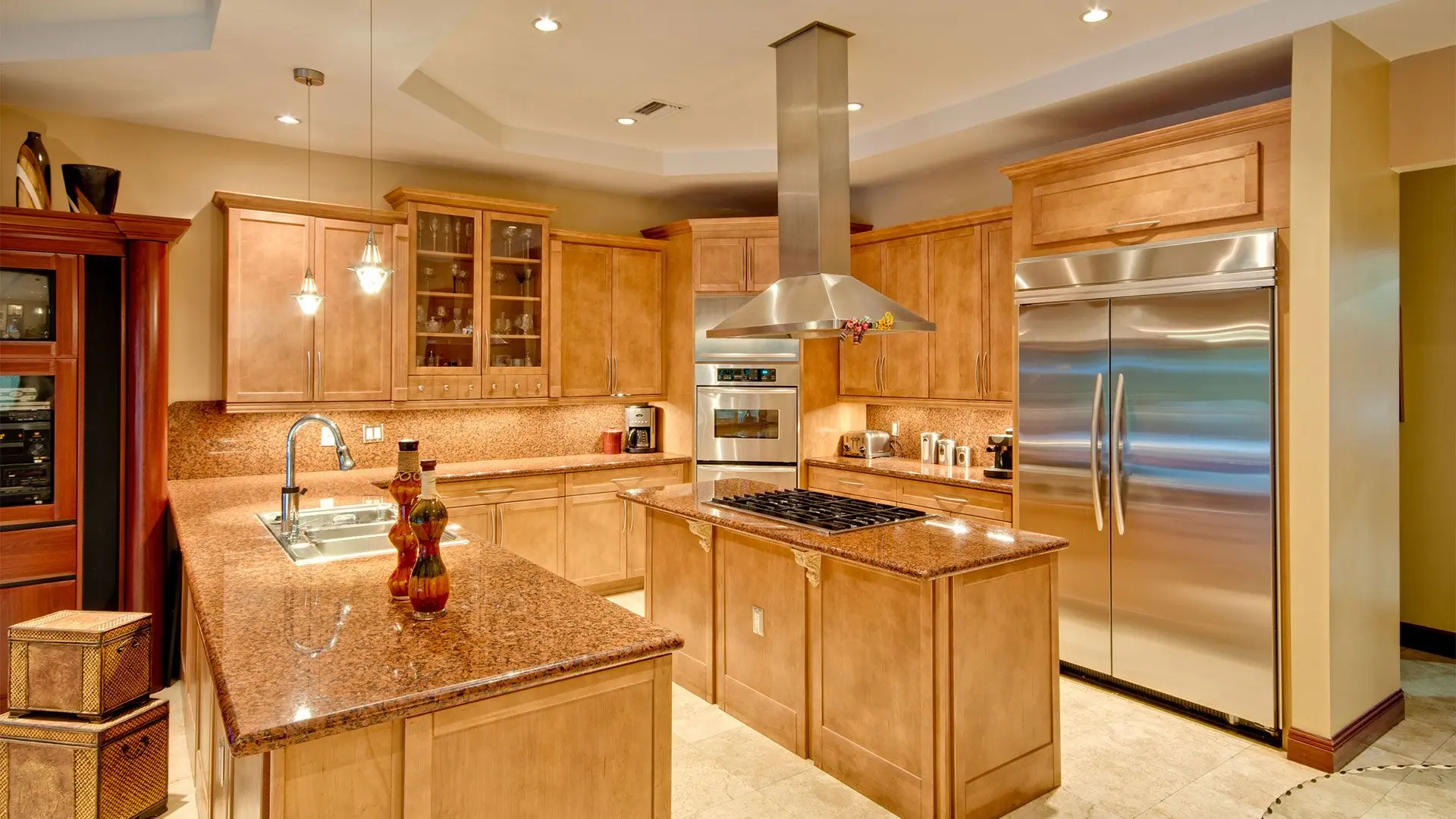
Refreshing your kitchen doesn’t always mean a full remodel. Cabinet refacing offers a budget-friendly way to transform your kitchen’s appearance while keeping the existing cabinet structure intact. In simple terms: it updates style, improves functionality, and saves both time and money. Understanding how costs are calculated and what factors influence pricing helps homeowners plan wisely and avoid unexpected expenses.
When homeowners research Cabinet Refacing Costs, they quickly realize that pricing is influenced not only by materials but also by labor, kitchen size, hardware upgrades, and optional features like trim or glass inserts. Proper planning ensures the best results at a reasonable price.
What Is Cabinet Refacing?
Cabinet refacing is the process of updating the exterior of your cabinets without replacing the entire unit. Typically, it involves replacing doors and drawer fronts, applying new veneers or laminates, and installing new hardware. This approach allows homeowners to achieve a modern, stylish look with less time, cost, and disruption than a full kitchen renovation.
Benefits of cabinet refacing:
- Lower cost compared to full replacement
- Shorter project timeline
- Reduced construction waste
- Ability to update style, color, and hardware
Cabinet refacing works best when the cabinet boxes are still structurally sound but the exterior surfaces are outdated or worn.
Factors That Affect Cabinet Refacing Costs
Understanding the variables that influence pricing helps homeowners make informed decisions and set realistic budgets.
1. Material Choice
The type of material used has the most significant impact on costs:
- Wood veneers: Natural look and feel, mid-range pricing, durable
- Laminate: Affordable, easy to maintain, less durable than wood
- Thermofoil: Smooth finish, resistant to moisture, mid-range cost
2. Labor and Installation
Labor is often the largest portion of the budget. Skilled professionals ensure precise alignment, clean finishes, and long-lasting durability. Labor costs vary by region, experience, and project complexity.
3. Kitchen Size and Layout
The number of cabinets and overall kitchen configuration directly affects costs. Larger kitchens or custom layouts may require additional adjustments, increasing both labor and material expenses.
4. Hardware and Accessories
Replacing old handles, knobs, and hinges enhances functionality and aesthetics but increases costs. Choosing high-quality hardware can improve durability and overall satisfaction.
5. Additional Design Elements
Features like glass cabinet doors, crown molding, lighting, or decorative trims add style but also increase the total expense of cabinet refacing.
Average Cabinet Refacing Costs
While prices vary depending on region and materials, general ranges are:
- Small kitchens (10–15 cabinets): $3,000–$5,500
- Medium kitchens (15–25 cabinets): $5,500–$8,500
- Large kitchens (25+ cabinets): $8,500–$12,000+
Cost per cabinet: On average, refacing a single cabinet ranges from $200 to $600, depending on material and complexity.
Cabinet Refacing vs. Replacement
Cabinet refacing is often more affordable than replacement, but each option has its advantages:
| Aspect | Cabinet Refacing | Full Cabinet Replacement |
|---|---|---|
| Cost | 50–70% less | Higher upfront cost |
| Project Timeline | 2–5 days | 1–2 weeks or more |
| Waste | Minimal | High |
| Customization | Limited | Full design flexibility |
| Durability | Depends on cabinet condition | Brand new cabinets last longer |
Refacing is ideal when existing cabinet boxes are solid. Replacement is recommended if the cabinets are damaged, warped, or outdated structurally.
Tips to Reduce Cabinet Refacing Costs
- Keep the current layout: Avoid moving plumbing or electrical fixtures.
- Select cost-effective materials: Laminate or veneer is less expensive than solid wood.
- Replace only worn hardware: Avoid unnecessary changes.
- Do prep work yourself: Remove doors, drawers, and clean surfaces to save labor costs.
- Compare contractor quotes: Multiple bids ensure competitive pricing.
Typical Timeline for Cabinet Refacing
Most cabinet refacing projects are completed in 2–5 days, depending on kitchen size and complexity.
Step-by-step process:
- Remove doors, drawers, and hardware
- Repair or clean cabinet boxes
- Apply veneers, laminates, or finish surfaces
- Install new doors, drawers, and hardware
- Add finishing touches like crown molding or trim
Maintenance Tips for Refinished Cabinets
To keep your refaced cabinets looking new:
- Wipe spills promptly
- Use mild, non-abrasive cleaners
- Install liners near sinks and drawers
- Tighten hinges and handles annually
- Maintain stable indoor humidity
Proper care ensures cabinets remain functional and visually appealing for years.
Voice Search-Friendly FAQ
Q: How much does cabinet refacing cost?
A: Small kitchens typically cost $3,000–$5,500, while large kitchens may exceed $8,500.
Q: Is cabinet refacing cheaper than replacement?
A: Yes, refacing costs roughly 50–70% less than full cabinet replacement.
Q: How long does cabinet refacing take?
A: Most projects finish in 2–5 days depending on kitchen size and complexity.
Q: What materials are commonly used for cabinet refacing?
A: Wood veneers, laminate, and thermofoil are the most popular choices.
Q: Can cabinet refacing be DIY?
A: Minor projects like painting or hardware replacement can be DIY, but professional refacing ensures quality and durability.
Final Thoughts
Cabinet refacing is a smart, cost-effective way to give your kitchen a fresh, modern look without the expense and disruption of a full remodel. Costs vary depending on material, labor, kitchen size, and additional features, but with careful planning, homeowners can achieve a stylish, functional kitchen efficiently. Refacing extends the life of cabinets, improves aesthetics, and adds value to your home.
About the Author