
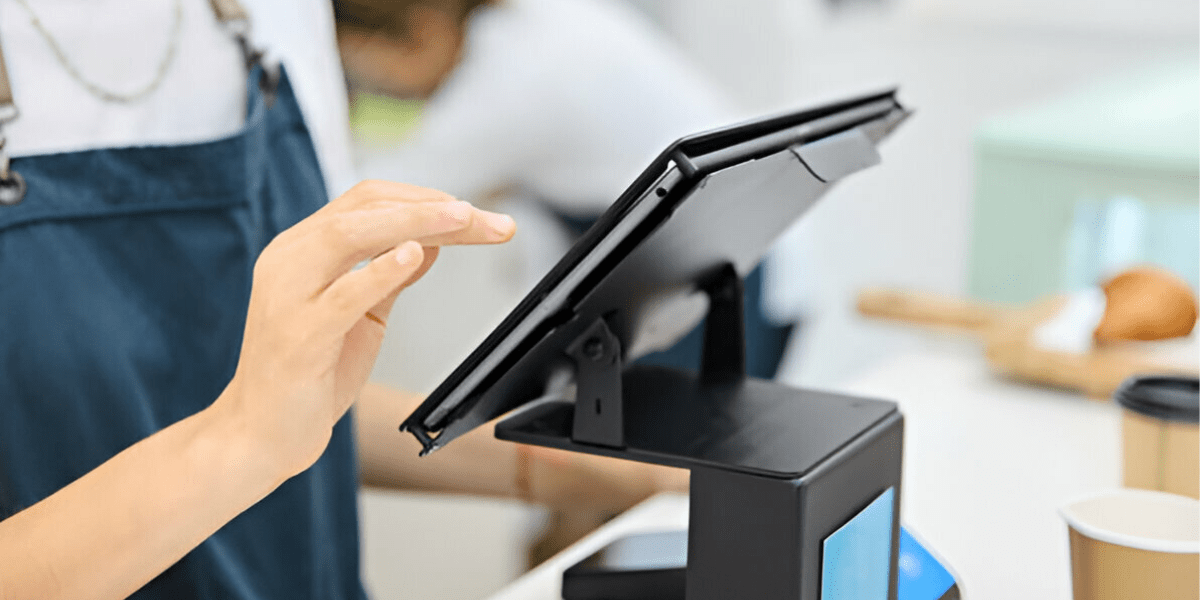
Technology continues to transform business operations, and point of sale systems are evolving rapidly to meet modern commercial demands. Future POS systems are expected to go beyond simple transaction processing and become intelligent business management platforms. Retail, restaurant, and service industries are adopting advanced digital solutions to improve efficiency, security, and customer engagement. The development of smart automation, artificial intelligence, and cloud computing is shaping the next generation of POS technology.
The growing demand for integrated business solutions has led many companies to invest in advanced digital infrastructure. A Complete POS System provides businesses with centralized control over sales, inventory, customer data, and financial processing. This type of integration allows organizations to operate more efficiently while reducing manual workload. Future POS platforms will continue to focus on seamless connectivity, real-time analytics, and enhanced security features to support expanding business ecosystems.
Artificial Intelligence and Smart Automation
Artificial intelligence is expected to play a major role in future POS system development. AI-powered POS platforms can analyze customer behavior patterns, predict product demand, and suggest personalized recommendations. Machine learning algorithms help businesses understand purchasing trends by examining large datasets collected during daily operations.
Automated checkout systems are also becoming more common. Smart POS terminals may eventually support self-service transactions, reducing the need for cashier intervention. Voice recognition and intelligent user interfaces could further simplify transaction processing and improve accessibility for different types of users.
Cloud-Based POS Infrastructure Expansion
Cloud technology is transforming how POS systems store and manage data. Traditional local server systems are gradually being replaced by cloud-based architectures because they provide greater flexibility and accessibility. Cloud POS platforms allow business owners to monitor operations remotely from any location with internet connectivity.
Future POS development will likely focus on hybrid cloud models that combine local processing speed with cloud storage reliability. These systems provide better data backup protection and system stability during network interruptions. Automatic software updates are another advantage of cloud-based POS environments.
Enhanced Cybersecurity and Data Protection
As digital transactions increase, security threats are also becoming more sophisticated. Future POS systems will incorporate advanced encryption technologies, biometric authentication, and multi-layer security protocols. Businesses must protect customer financial information and transaction records from cyberattacks.
Blockchain technology may also become part of POS security architecture. Distributed ledger systems can help verify transactions securely and prevent data tampering. Improved cybersecurity frameworks will increase customer trust and protect business reputation.
Mobile POS and Flexible Payment Technology
Mobile POS solutions are gaining popularity because they provide flexibility for modern business environments. Sales staff can process payments using portable devices instead of fixed checkout counters. This technology is especially useful in restaurants, outdoor retail events, and delivery services.
Future payment systems will support more digital wallets, contactless payments, and biometric verification methods. Customers prefer fast and secure payment methods that minimize physical interaction and transaction delays.
Advanced Inventory and Supply Chain Integration
Inventory management will become more intelligent through predictive analytics and automated supply chain communication. Future POS systems will not only track stock levels but also forecast demand based on historical sales and market trends.
Integration with supplier networks will allow automatic ordering when inventory reaches predefined thresholds. This technology reduces product shortages and minimizes storage costs. Businesses can maintain optimal inventory levels without manual monitoring.
Customer Experience Innovation
Customer experience will remain a primary focus of future POS development. Personalized marketing, loyalty rewards, and intelligent service recommendations will become standard features. POS systems will analyze customer purchase history and provide real-time promotional offers.
Digital receipt systems may replace paper receipts, allowing customers to access transaction records through mobile applications or email platforms. This reduces environmental impact and improves convenience.
Internet of Things Integration
The Internet of Things is expected to revolutionize POS system functionality. Smart devices such as sensors, smart shelves, and connected payment terminals will communicate directly with POS software. Retail stores may use IoT technology to monitor product movement, temperature conditions, and equipment performance.
Restaurants can benefit from IoT-enabled kitchen equipment that automatically updates order preparation status. This level of integration will improve operational efficiency and service quality.
Conclusion
Future POS system development will focus on intelligence, automation, security, and customer experience optimization. Businesses adopting modern technology will gain competitive advantages in rapidly changing markets. The evolution of Complete POS System solutions will continue supporting digital transformation across retail and service industries.
As technology advances, POS platforms will become more than transaction tools; they will serve as comprehensive business intelligence systems that drive growth and operational excellence. Companies that invest in next-generation POS technology will be better prepared to meet future market demands and customer expectations.
About the Author