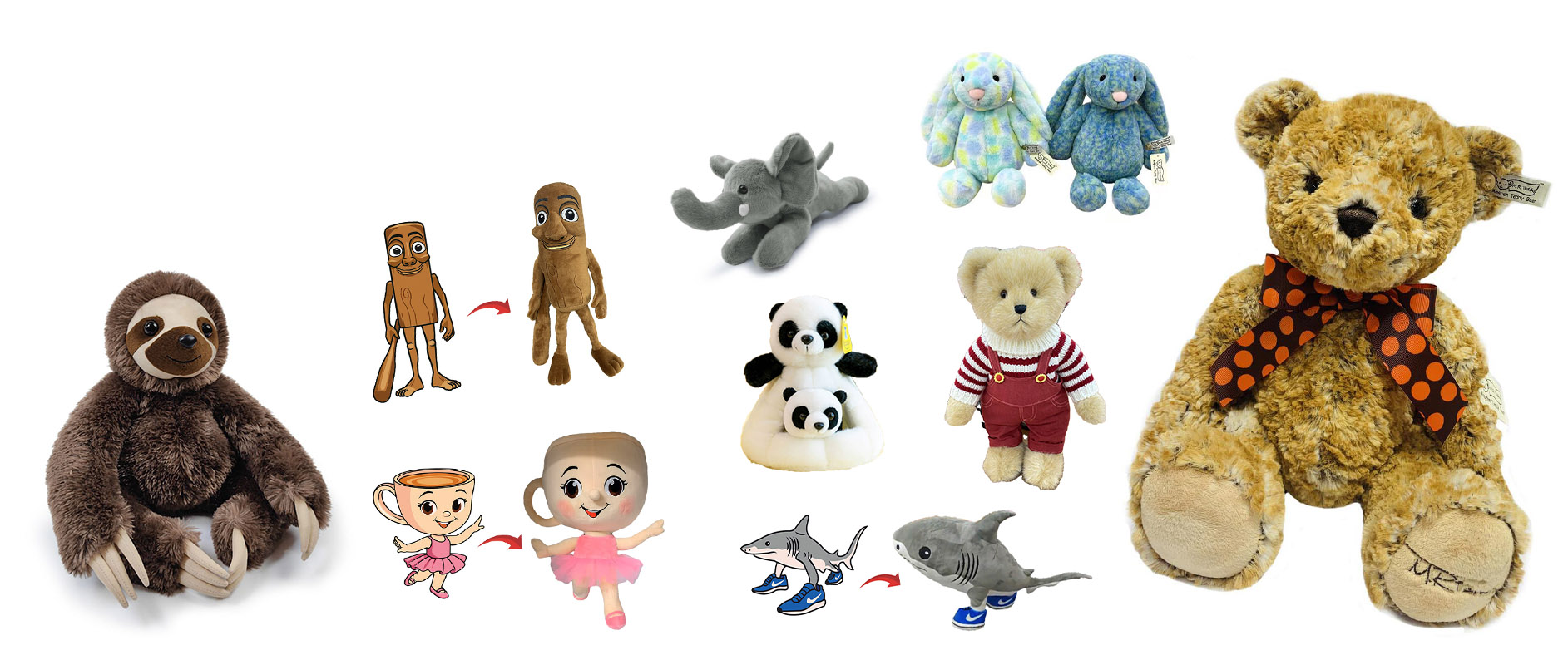
Custom plush toys offer brands a unique way to connect with their audience, create memorable products, and differentiate themselves in a competitive market. However, producing custom plush toys requires close collaboration with a reliable manufacturer. Partnering with a plush toy manufacturer for custom orders involves careful planning, clear communication, and understanding the production process to ensure high-quality results that meet both brand standards and consumer expectations.
Define Your Customization Needs
The first step in partnering with a plush toy manufacturer is to define your customization requirements. This includes specifying the toy’s size, design, colors, materials, and any special features such as embroidery, movable parts, or sound elements. Having a clear vision of the final product helps the manufacturer understand your expectations and provide accurate guidance on feasibility, cost, and production timelines.
Selecting a reputable plush toy manufacturer is essential for custom orders. Experienced manufacturers can advise on materials, construction methods, and safety standards while ensuring your designs are both visually appealing and durable. They also provide insights into production limitations, helping you refine your designs for optimal results and efficiency.
Develop a Prototype
Once your customization requirements are defined, the manufacturer typically creates a prototype or sample. Prototypes allow you to visualize the final product and make adjustments before committing to full production. This stage is critical for testing the design, materials, and overall construction quality.
Manufacturers often use advanced tools and skilled artisans to produce accurate prototypes. During this phase, you can evaluate factors such as texture, color accuracy, stitching quality, and the durability of accessories. Feedback from the prototype helps ensure that the final batch meets your expectations and avoids costly errors in mass production.
Understand Production Timelines and Minimum Orders
Custom plush toy orders often require longer production timelines than standard products due to the specialized materials and design elements involved. Discussing lead times with your manufacturer helps you plan for product launches, promotional events, or seasonal campaigns. Reliable manufacturers provide clear timelines for prototype approval, production, quality checks, and shipping, keeping you informed throughout the process.
Minimum order quantities (MOQs) are another important consideration. Most manufacturers set MOQs for custom orders to maintain production efficiency. Understanding and negotiating MOQs upfront ensures that your order aligns with your budget and distribution plans. Experienced manufacturers may offer flexibility for repeat orders or long-term partnerships, which can reduce costs and improve delivery schedules.
Material Selection and Safety Compliance
Material selection is a crucial component of custom plush toy production. Manufacturers typically offer a range of fabrics, fillings, and accessory options to match your design requirements while maintaining safety and durability. High-quality materials enhance the feel and appearance of the toy, while also ensuring it meets regulatory standards for children’s products.
A trustworthy manufacturer conducts rigorous safety testing and ensures compliance with international regulations such as ASTM, EN71, and CPSIA. This includes testing for non-toxic fabrics, secure attachments, and flame resistance. Partnering with a manufacturer that prioritizes safety guarantees that your custom toys are not only visually appealing but also safe for consumers.
Quality Assurance and Batch Testing
Quality control is essential in custom plush toy production. Manufacturers implement strict inspection procedures during and after production to ensure consistency and durability. This includes checking stitching, seam strength, material integrity, and the secure attachment of any accessories.
Batch testing may also be conducted to simulate real-world use, identifying potential weaknesses before toys reach consumers. Regular communication with your manufacturer during this stage ensures that any issues are addressed promptly, maintaining the integrity and quality of the final product.
Packaging and Delivery
Custom orders often require specialized packaging to reflect brand identity and protect the toys during shipping. Manufacturers can assist with packaging design, labeling, and logistics to ensure that products arrive in excellent condition. Coordinating with your manufacturer on shipping schedules, packaging materials, and delivery methods helps prevent delays and enhances customer satisfaction.
Reliable manufacturers also provide documentation such as certificates of conformity, material safety sheets, and compliance reports. These documents not only demonstrate adherence to regulations but also add credibility to your products in the eyes of retailers and consumers.
Conclusion
Partnering with a plush toy manufacturer for custom orders requires careful planning, open communication, and a clear understanding of design, materials, safety, and production timelines. By defining your customization needs, developing prototypes, negotiating order quantities, and ensuring quality control, you can create unique plush toys that resonate with your audience and strengthen your brand identity.
A collaborative approach with a trusted manufacturer allows brands to bring creative ideas to life, maintain safety standards, and deliver high-quality products on schedule. Investing in the right partnership ensures that custom plush toys meet both consumer expectations and business objectives, providing a competitive edge in the dynamic toy market.
About the Author