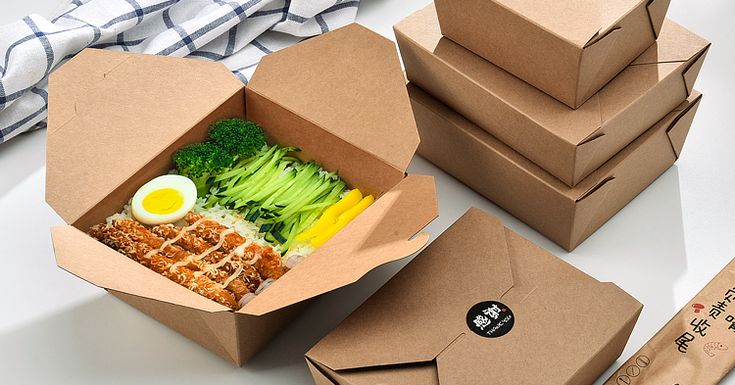
Takeaway boxes are an essential component of the foodservice industry, providing safe, convenient, and visually appealing packaging for delivery and takeaway meals. The quality, durability, and functionality of these boxes depend heavily on the manufacturing processes employed by professional suppliers. Understanding how takeaway boxes are produced helps food businesses appreciate the careful balance between material selection, structural design, and production techniques that ensure their packaging meets operational and customer needs.
A reliable Takeaway Box Manufacturer combines advanced manufacturing processes with quality materials to produce boxes that are strong, hygienic, and suitable for a variety of food types. From burgers and sandwiches to combo meals and multi-component orders, the production methods ensure that the final product is durable, grease-resistant, and capable of maintaining food freshness during transport.
Material Selection and Preparation
The manufacturing process begins with selecting the right materials. Commonly used materials include paperboard, kraft paper, laminated cardboard, and biodegradable alternatives. The choice of material depends on the intended use of the box, the type of food it will hold, and environmental considerations.
Once the materials are chosen, they undergo preparation processes such as cutting, coating, and printing. Coatings like polyethylene or water-based layers are applied to enhance grease resistance, moisture protection, and structural integrity. Some materials also receive heat-retaining or insulating treatments to ensure that hot meals maintain their temperature until consumption. This preparation stage lays the foundation for producing boxes that are both functional and visually appealing.
Cutting and Die-Cutting
After materials are prepared, they are cut into the appropriate shapes and sizes using cutting or die-cutting machines. Die-cutting involves using a steel die to precisely shape the paperboard or kraft sheets into the desired box design. This process allows for consistent production of uniform boxes with foldable flaps, secure lids, and compartmentalized structures.
Die-cutting also enables the creation of ventilation slots, interlocking features, or special compartments, which are particularly important for combo meals or items containing sauces and sides. Precision in cutting ensures that the box maintains its shape and functionality during assembly and use.
Printing and Customization
Printing and customization are integral parts of takeaway box manufacturing. Modern machines allow for high-quality printing directly on the box material, enabling branding, logos, promotional graphics, and product information to be added efficiently. This not only enhances the aesthetic appeal of the packaging but also serves as a marketing tool for restaurants and delivery services.
Advanced printing technologies, such as flexographic or digital printing, are often used to ensure sharp images, vibrant colors, and long-lasting designs. Customization can also include unique color schemes, patterns, or compartment layouts that align with specific menu items or branding requirements.
Folding, Gluing, and Assembly
Once cutting and printing are complete, the next step is folding and gluing the boxes into their final shapes. Folding machines crease the materials along predetermined lines to create the flaps, lids, and compartments, while gluing machines apply adhesive to secure the folds. This step transforms flat sheets into durable, ready-to-use boxes.
Some boxes are designed for manual assembly, especially custom or limited-run designs, while high-volume production typically relies on automated assembly lines. The assembly process is carefully monitored to ensure that boxes are structurally sound, leak-resistant, and capable of holding food without collapsing.
Quality Control and Testing
Quality control is a critical step in takeaway box manufacturing. Each batch of boxes is inspected for consistency, durability, and safety. This includes testing for grease resistance, moisture protection, heat retention, and the strength of the box structure. Boxes that fail to meet these standards are removed from the production line to maintain the overall quality of the product.
Testing may also involve checking printed graphics, box dimensions, and compartment functionality. This ensures that the final product not only performs well in food transport but also meets visual and branding expectations.
Packaging and Distribution
After passing quality checks, the takeaway boxes are packaged for distribution. They are typically stacked flat to save space and reduce shipping costs. Efficient packaging and careful handling prevent damage during transport, ensuring that restaurants and delivery services receive high-quality boxes ready for use.
Suppliers may offer bulk shipments, customized order quantities, or pre-assembled boxes depending on the needs of the food business. This flexibility ensures that companies can maintain a steady supply of packaging for daily operations.
Sustainability Considerations
Modern takeaway box manufacturers increasingly focus on sustainability. Many boxes are produced using recyclable, biodegradable, or compostable materials without compromising durability. Sustainable manufacturing practices include using recycled paper, water-based coatings, and energy-efficient production processes, helping businesses reduce their environmental impact.
Conclusion
The manufacturing processes behind takeaway boxes involve a careful combination of material selection, precision cutting, printing, folding, gluing, and quality control. Each step is designed to produce packaging that is durable, hygienic, and functional, while also meeting branding and sustainability goals. By partnering with a trusted Takeaway Box Manufacturer, food businesses can ensure they receive high-quality boxes that enhance meal presentation, maintain food safety, and provide a positive customer experience, supporting both operational efficiency and long-term brand success.
About the Author