For athletes, fitness enthusiasts, and active individuals, maintaining optimal physical performance requires more than just training and nutrition. Recovery, injury prevention, and muscle maintenance are equally essential for achieving peak results. One of the most effective tools for enhancing physical performance and well-being is sports massage therapy. This specialized form of massage focuses on the muscles, joints, and connective tissues involved in athletic activity, offering benefits that extend far beyond relaxation.
Understanding Sports Massage Therapy
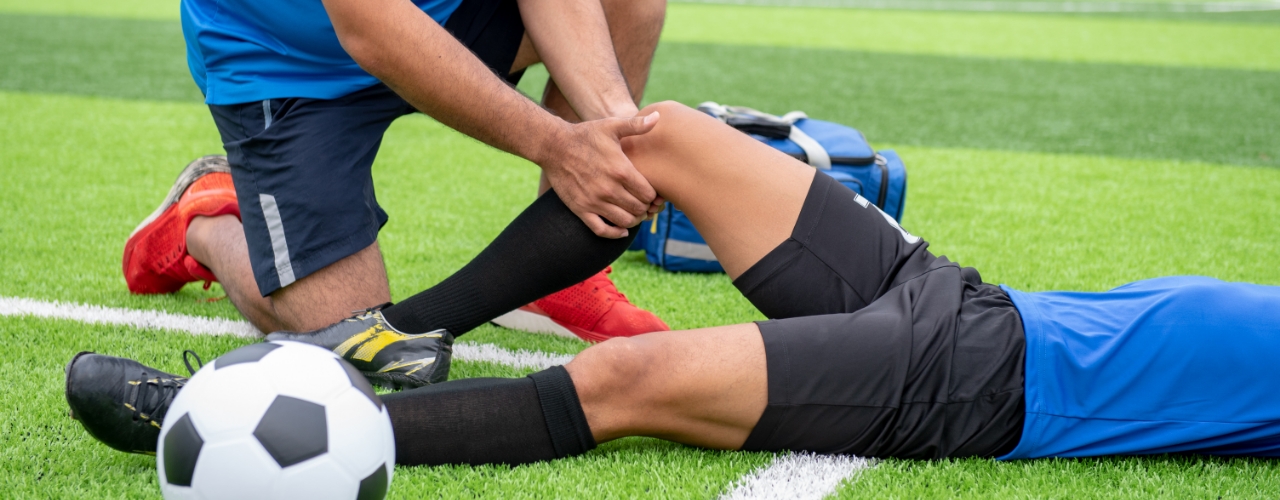
Sports massage therapy is a targeted technique designed to prevent and treat injuries, improve circulation, and enhance athletic performance. Unlike general massage, which primarily focuses on relaxation, sports massage addresses the specific needs of physically active individuals. Techniques are adapted based on the type of sport, intensity of training, and individual requirements, making it an essential component of a comprehensive fitness or rehabilitation program.
Goals of Sports Massage Therapy
- Reduce muscle tension and stiffness
- Enhance circulation and nutrient delivery to tissues
- Accelerate recovery after intense physical activity
- Prevent injuries by addressing muscular imbalances
- Improve flexibility, range of motion, and overall performance
Who Can Benefit from Sports Massage Therapy?
Sports massage is not limited to professional athletes. A wide range of individuals can gain significant benefits, including:
- Competitive athletes seeking performance enhancement
- Recreational fitness enthusiasts or gym-goers
- Individuals recovering from musculoskeletal injuries
- People experiencing chronic muscle tension or postural issues
- Those aiming to improve flexibility, balance, and mobility
By tailoring techniques to each individual, sports massage therapy provides measurable improvements in both performance and recovery.
Techniques Used in Sports Massage Therapy
A sports massage therapist employs various techniques depending on the specific needs of the client. Some of the most common approaches include:
Deep Tissue Massage
Deep tissue techniques target the deeper layers of muscles and connective tissues. This helps relieve chronic tension, break down scar tissue, and reduce pain in areas prone to overuse or injury.
Trigger Point Therapy
Trigger points, often described as tight knots in the muscles, can cause pain and limit mobility. Sports massage therapists use focused pressure to release these points, improving muscle function and reducing discomfort.
Myofascial Release
This technique focuses on releasing tension in the fascia, the connective tissue surrounding muscles and organs. Myofascial release enhances flexibility, reduces stiffness, and promotes better alignment of the musculoskeletal system.
Pre-Event and Post-Event Massage
Pre-event massage prepares the muscles for activity, increasing blood flow and reducing the risk of injury. Post-event massage aids in recovery by reducing lactic acid buildup, alleviating soreness, and promoting tissue repair.
Swedish Massage Techniques
While primarily used for relaxation, Swedish techniques incorporated into sports massage can improve circulation, reduce tension, and enhance overall well-being.
Benefits of Sports Massage Therapy
The advantages of sports massage extend beyond simple relaxation, impacting physical performance, recovery, and long-term health.
Enhanced Recovery
Sports massage helps flush out metabolic waste products, reduce inflammation, and improve oxygen delivery to muscles. This accelerates recovery from training sessions and reduces post-exercise soreness.
Injury Prevention
By addressing muscle imbalances, tightness, and areas of tension, sports massage therapy lowers the risk of injuries such as strains, sprains, and tendonitis. Early intervention can prevent minor issues from becoming chronic problems.
Improved Flexibility and Range of Motion
Regular massage helps lengthen muscles, improve joint mobility, and enhance flexibility, contributing to better performance and reduced risk of injury.
Pain Relief
For individuals recovering from injury or managing chronic musculoskeletal pain, sports massage can provide targeted relief, improving comfort and functional ability.
Mental and Psychological Benefits
Massage therapy also reduces stress, promotes relaxation, and improves mental clarity. Athletes benefit from improved focus, motivation, and overall psychological well-being.
Integrating Sports Massage into a Training Program
For maximum effectiveness, sports massage therapy should be integrated strategically into an athlete’s routine:
- Pre-Training: Short sessions to loosen muscles, increase blood flow, and prepare the body for exercise.
- Post-Training: Longer sessions focused on recovery, addressing soreness, and correcting muscular imbalances.
- During Injury Recovery: Targeted therapy to support rehabilitation, maintain mobility, and reduce scar tissue formation.
- Regular Maintenance: Routine sessions to optimize performance, prevent injuries, and support overall musculoskeletal health.
Consistency and integration with other recovery strategies, such as stretching, hydration, and adequate rest, enhance the overall benefits of sports massage therapy.
Choosing the Right Sports Massage Therapist
Selecting a skilled therapist is essential for safety, effectiveness, and achieving the desired outcomes. Consider the following factors:
- Qualifications and Certification: Ensure the therapist is trained in sports massage techniques and anatomy.
- Experience with Your Sport or Activity: Knowledge of the specific demands of your sport ensures targeted and effective treatment.
- Personalized Approach: A therapist who customizes treatment based on assessment and goals provides the best results.
- Reputation and Reviews: Feedback from previous clients can indicate the therapist’s skill, reliability, and professionalism.
Final Thoughts
Sports massage therapy is more than a luxury—it is a strategic tool for anyone seeking to improve performance, recover efficiently, and maintain long-term musculoskeletal health. By targeting muscle tension, improving circulation, and promoting flexibility, sports massage supports both physical and psychological well-being.
Integrating regular sports massage into training routines or rehabilitation programs can reduce the risk of injury, enhance recovery, and optimize overall athletic performance. Whether you are a professional athlete, recreational fitness enthusiast, or someone managing chronic muscle pain, sports massage therapy provides the expertise and techniques necessary to achieve your health and performance goals effectively.
About the Author