Routine developments in the Eurozone tend to rekindle financial fear among most Greek investors. Whether it is the discussion of fiscal policies or apprehension about the debt sustainability of the member states, such moments can invoke the memories of the past turmoil and result in a loss of confidence among investors. During such doubtful times, investors in Greece often resort to strategies that provide feelings of control and protection. Precious metals trading is one of these strategies that can be relied upon to protect assets and avoid possibilities of regional risk.
Volatility in the market is likely to increase when there is political strain or financial strain emerges in the Eurozone. The values of currencies change, government bonds can lose their appeal and faith in classic goods of the financial industry can decline. To Greek investors, who might have remembered banking limits and the financial crashes that recently took place in the country, the described indicators usually make them shift to a more reliable investment. Gold and silver have been perceived as value investing that moves independent of the health of a particular currency or institution and therefore they are very attractive when one thinks there will be a question mark on the euro.
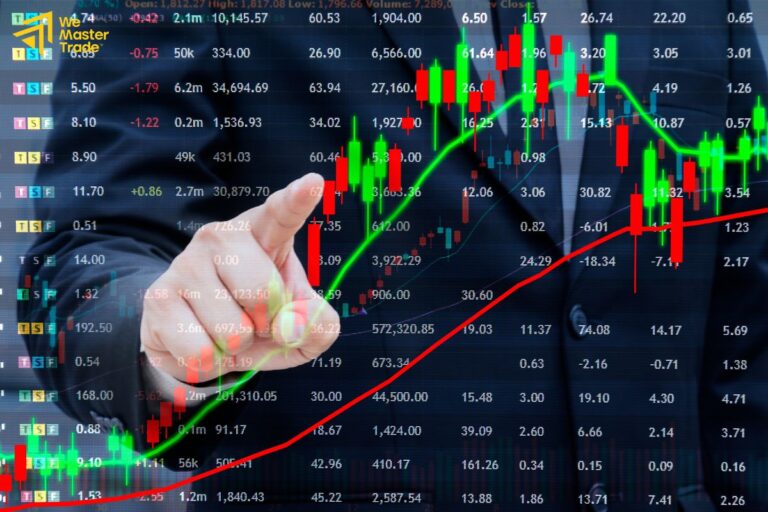
Freedom in trading precious metals means that the investors have the freedom to adapt to the prevailing circumstances. In contrast to physical storage on its own, the trading platforms result in immediate decision-making. Greek investors are able to purchase or sell gold and silver on the basis of the emerging news, economic projection or policy change in direction. Such responsiveness does more than merely provide psychological relief – the protection could help portfolios against abrupt devaluations or correction of the market which normally ensue at regional instability.
Precious metals can also allow the international aspect of investing. Greek equities or euro-denominated accounts are directly impacted by the situations unfolding within Europe but, with metals, the pricing is global and is also exposed to the larger economic risks. The non-regional exposure gives investors an opportunity to diversify region-specific vulnerabilities. This property is particularly useful to the people in Greece when there come periods when the belief about the integrity of the Eurozone falters and these people wish to protect a part of their portfolio against vagaries in Europe.
Traditionally, only knowledgeable, more experienced investors (institutions) would engage in precious metals trading. The process has also become easier to deliver to more citizens in Greece using digital platforms. With small scale trading or the combined monetary programs, people are now able to exploit the fluctuations and strategic market movements fairly easily. This extra availability has been part of the augmented use of metals in the way individuals make provisions in the event of any shocks related to the events in the Eurozone.
It is not the case that Greek investors are merely driven by their emotions. Precious metals are what they tend to hoard more on during tense times because of experience and need to preserve personal wealth. These actions provide further evidence of a cultural awareness that financial systems, even stable ones, can be put to the test by unexpected events. The trade of metals is a plausible way of responding in a manner that is cautious and also forward-looking.
The determination to trade in precious metals during Eurozone tensions is not to do away with the wider financial system. It is the subject of establishing its resilience. The investments in Greece are playing up to the available tools to ensure that the investors are ready and primed to control and stick to the long-term plans without having them derailed by short term turmoil. Through this, metals are becoming a bigger factor when it comes to telling people how to navigate the uncertainty and how they should build their financial future in an economic union that is shared yet, often unpredictable.
About the Author